Teeth are one of the most valuable assets we have—not only do they help us chew and speak properly, but they also play a crucial role in our confidence and overall well-being. However, many people unknowingly damage their teeth through a condition called bruxism, commonly known as teeth grinding. Often occurring at night during sleep or even unconsciously during the day, this condition can lead to serious dental issues if not addressed on time. That’s where understanding the right teeth grinding treatment becomes essential.
In this complete guide, we’ll explore what bruxism is, its ca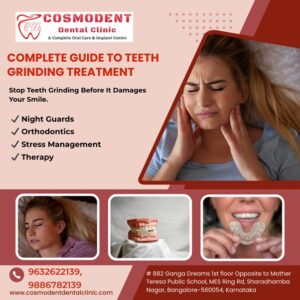 uses, symptoms, risks, and the most effective treatment options available. Whether you experience mild grinding or chronic jaw clenching, this article will help you protect your smile and improve your oral health.
What is Bruxism?
Bruxism refers to the involuntary grinding, clenching, or gnashing of teeth. It may happen during the day (awake bruxism) or at night while sleeping (sleep bruxism). While occasional teeth grinding may not cause major problems, frequent or severe bruxism can result in tooth wear, jaw disorders, headaches, and other complications.
Understanding this condition is the first step toward finding the right teeth grinding treatment that works for you.
Common Causes of Teeth Grinding
Bruxism doesn’t have one single cause. Instead, it’s influenced by several factors:
- Stress and Anxiety – Emotional stress is one of the leading causes. Many people grind their teeth unconsciously when under pressure.
- Sleep Disorders – Conditions like sleep apnea, snoring, or disrupted sleep can trigger night-time bruxism.
- Misaligned Teeth – When teeth don’t align properly, the body may naturally try to correct the imbalance by grinding.
- Lifestyle Habits – Excessive caffeine, alcohol, smoking, or recreational drug use can increase the likelihood of grinding.
- Medications – Some antidepressants and neurological drugs list teeth grinding as a side effect.
- Genetics – Bruxism can sometimes run in families.
By identifying the root cause, your dentist can recommend a more effective teeth grinding treatment plan tailored to your condition.
Signs and Symptoms of Bruxism
Bruxism often goes unnoticed until significant damage is done, especially if it occurs while sleeping. Here are some warning signs:
- Worn, flattened, or chipped teeth
- Increased tooth sensitivity
- Jaw pain or tightness
- Headaches, particularly in the morning
- Ear pain or ringing (not caused by infection)
- Disrupted sleep patterns
- Indentations on the tongue or inner cheek biting
If you notice these symptoms, it’s crucial to seek professional help. Early intervention can make teeth grinding treatment more effective and prevent long-term complications.
Risks of Ignoring Teeth Grinding
Without proper management, bruxism can lead to severe oral and overall health problems:
- Tooth Damage – Enamel erosion, fractures, and even tooth loss.
- Jaw Disorders – Conditions like temporomandibular joint disorder (TMD).
- Facial Pain – Muscle soreness and chronic discomfort.
- Gum Recession – Due to excessive pressure on the teeth.
- Sleep Disruption – Grinding noises may disturb both the patient and their partner.
This is why a timely teeth grinding treatment is not just a cosmetic solution but a preventive step for your health.
Effective Teeth Grinding Treatment Options
The good news is that bruxism is treatable, and with the right approach, you can protect your teeth and relieve symptoms. Here are the most common and effective teeth grinding treatment options available today:
- Custom Night Guards or Splints
Dentists often recommend custom-made mouthguards that fit snugly over your teeth. These act as a protective barrier, preventing direct contact between upper and lower teeth. While they don’t stop grinding itself, they significantly reduce damage and jaw strain.
- Stress Management and Relaxation
Since stress is a major cause of bruxism, learning stress-reduction techniques like yoga, meditation, deep breathing, or counselling can help. Relaxation not only improves mental well-being but also supports better sleep, reducing grinding episodes.
- Correcting Dental Misalignment
If bruxism is caused by bite problems or crooked teeth, orthodontic treatments such as braces, aligners, or reshaping procedures can help align the teeth properly, reducing the urge to grind.
- Lifestyle Modifications
Certain habits worsen bruxism. Reducing caffeine, alcohol, and smoking can lower the risk. Also, avoiding chewing gum or hard foods can minimize unnecessary jaw strain.
- Physical Therapy
Jaw exercises and physical therapy techniques can relax the muscles, improve jaw movement, and reduce grinding frequency.
- Medication (in severe cases)
While not the first choice, muscle relaxants or Botox injections are sometimes prescribed for chronic bruxism. They help relax jaw muscles and decrease involuntary grinding.
- Cognitive Behavioural Therapy (CBT)
For patients with anxiety-related bruxism, CBT helps in recognizing triggers and developing coping strategies, making it an effective psychological tooth grinding treatment.
Home Remedies for Teeth Grinding Treatment
Along with professional treatments, several home care tips can also help manage bruxism:
- Apply a warm compress to relax jaw muscles.
- Practice jaw stretching and relaxation exercises before bed.
- Avoid chewing non-food items like pens or nails.
- Maintain a consistent sleep schedule to improve rest.
- Keep a journal of stress triggers to identify patterns.
These remedies work best when combined with professional teeth grinding treatment options.
Preventive Tips to Protect Your Smile
While treatments are effective, prevention is equally important:
- Schedule regular dental checkups to catch early signs.
- Invest in a custom night guard if you experience frequent grinding.
- Create a bedtime routine that includes relaxation practices.
- Limit screen time before sleep to reduce nighttime stress.
- Stay hydrated since dehydration can sometimes worsen grinding.
By being proactive, you not only manage bruxism but also safeguard your long-term dental health.
Why Professional Help is Essential
Although DIY remedies and lifestyle changes may provide temporary relief, professional care is critical for long-term results. A dentist can identify hidden damage, recommend the best-fit teeth grinding treatment, and customize solutions based on your unique needs. Early intervention saves time, money, and unnecessary discomfort.
Final Thoughts
Bruxism may seem harmless at first, but over time, it can cause irreversible damage to your teeth and jaw. The good news is that with timely and effective teeth grinding treatment, you can protect your smile, relieve discomfort, and improve your overall quality of life.
Whether it’s through night guards, orthodontic corrections, stress management, or lifestyle adjustments, there’s a solution for everyone. The key is to recognize the symptoms early and seek professional help before the condition worsens.
Your smile deserves the best care—don’t let teeth grinding stand in the way of your dental health and confidence.