Dental implants have transformed modern dentistry, offering a long-lasting and natural-looking solution for missing teeth. Whether you’ve lost a tooth due to injury, decay, or age-related issues, dental implants are one of the most effective ways to restore function and confidence to your smile. But how exactly do dental implants work, and what can you expect throughout the treatment journey?
In this detailed guide, we’ll walk you through the entire process—from your initial consultation to your final restoration—so you can feel confident and informed every step of the way.
What Are Dental Implants?
Dental implants are artificial tooth roots, typically made of titanium, that are surgically placed into the jawbone. Once placed, they provide a stable foundation for replacement teeth such as crowns, bridges, or dentures.
Unlike traditional dentures or bridges, dental implants are fixed, feel natural, and preserve jawbone health—making them the preferred solution for many patients and dental professionals.
Benefits of Dental Implants
Before diving into the treatment journey, let’s highlight why dental implants are considered a gold standard in tooth replacement:
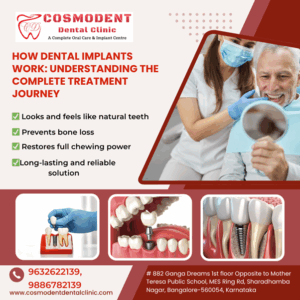
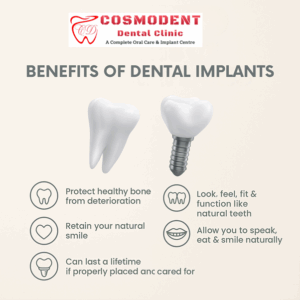
- Natural Appearance & Feel: Implants look and function just like your natural teeth.
- Durability: With proper care, dental implants can last decades—even a lifetime.
- Bone Preservation: They prevent bone loss by stimulating the jawbone, similar to natural tooth roots.
- No Impact on Adjacent Teeth: Unlike bridges, implants don’t require grinding down surrounding teeth.
- Improved Confidence: Speak, eat, and smile without worry.
Are You a Candidate for Dental Implants?
Not everyone is an immediate candidate for dental implants. During the initial consultation, your dentist will evaluate:
- The health of your gums
- Bone density and volume in your jaw
- Overall oral hygiene
- Medical conditions like diabetes or immune disorders
- Lifestyle habits such as smoking, which can affect healing
If you’re lacking sufficient bone density, you may still be eligible through procedures like bone grafting or sinus lifts.
The Dental Implants Journey: Step-by-Step
Here’s a detailed look at the stages involved in getting dental implants:
-
Initial Consultation and Examination
The first step involves a thorough dental examination, including X-rays and 3D scans to assess your jawbone structure and plan the implant placement. Your dentist will also discuss your medical history, oral hygiene habits, and expectations.
If needed, impressions of your mouth may be taken to help create custom treatment plans.
-
Tooth Extraction (if necessary)
If the damaged or decayed tooth is still present, it may need to be extracted. This is often done in the same visit or before the implant placement, depending on the condition of the area and your overall treatment plan.
-
Bone Grafting (optional)
In cases where the jawbone is not thick or dense enough to support an implant, a bone graft may be required. This involves adding bone (synthetic or from a donor) to strengthen the area.
After a bone graft, healing may take several months before the implant can be placed.
- Implant Placement Surgery
Once your jaw is ready, the dental implant procedure begins. Here’s what happens:
- Local anesthesia is applied to numb the area.
- A small incision is made in the gum to access the jawbone.
- A hole is drilled, and the titanium implant is inserted.
- The gums are stitched closed over the implant.
The surgery usually takes 1 to 2 hours per implant. You may experience mild discomfort, which can be managed with medication by top dental surgeon.
-
Osseointegration: The Healing Phase
Over the next 3 to 6 months, a natural process called osseointegration occurs. This is when the implant fuses with your jawbone, forming a strong, permanent bond.
This phase is crucial—it ensures that the dental implant becomes a stable part of your bone structure, just like a natural root.
During this period, temporary teeth may be provided to maintain appearance and function.
-
Abutment Placement
After successful osseointegration, a minor surgery is performed to attach an abutment—the connector that will hold your new tooth.
The dentist will reopen the gum, place the abutment on top of the implant, and then close the gum tissue around (not over) it.
Healing typically takes a couple of weeks, during which impressions for the crown may be taken.
-
Crown Placement (Final Restoration)
Once the gums have healed, your permanent crown, bridge, or denture will be placed. The prosthetic is custom-designed to match your natural teeth in shape, size, and color.
The result is a tooth replacement that looks, feels, and functions like a real tooth—allowing you to chew, speak, and smile with confidence.
Caring for Your Dental Implants
Dental implants require the same care as natural teeth:
- Brush twice daily with a soft-bristled brush
- Floss daily, including around the implant
- Use an antibacterial mouthwash
- Use a water dental flosser to clean around implants gently and effectively
- Visit your dentist every 6 months for check-ups and professional cleanings
Avoid smoking, as it can hinder healing and increase the risk of implant failure.
Why Choose Dental Implants?
Dental implants are more than just a tooth replacement—they’re a life-changing solution for anyone suffering from tooth loss. Unlike removable options, implants restore natural function, protect jawbone integrity, and give you the freedom to eat, laugh, and live without hesitation.
When done by skilled professionals, dental implants can dramatically enhance your quality of life.
Final Thoughts
Dental implants are one of the most reliable, natural, and permanent ways to restore your smile. While the journey may take several months, the results are long-lasting and often life-changing. Understanding each step of the process allows you to make informed decisions and prepare confidently for your treatment.
Whether you’re replacing one tooth or several, dental implants offer a blend of aesthetics, comfort, and functionality unmatched by other options. If you’re considering this treatment, consult Cosmodent dental clinic, a qualified dental professional to see if you’re a suitable candidate.