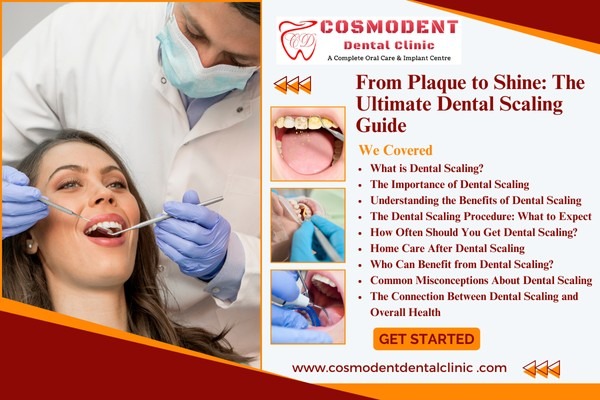
Maintaining a healthy smile is more than just brushing and flossing daily. While these habits are essential, they might not be enough to prevent plaque buildup, tartar formation, and gum problems. This is where dental scaling comes into play. In this comprehensive guide, we’ll explore everything you need to know about dental scaling, including its benefits, procedure, and tips to maintain a sparkling smile.
What is Dental Scaling?
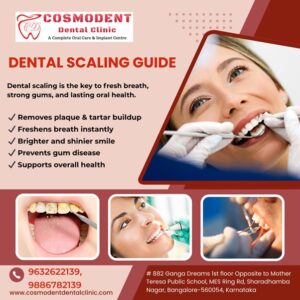
Dental scaling is a professional dental procedure that involves removing plaque, tartar (hardened plaque), and stains from the surface of your teeth. Even with diligent brushing and flossing, plaque can accumulate in areas that are difficult to reach, such as between teeth and along the gumline. Over time, this can lead to gum disease, bad breath, and tooth decay.
Dental scaling is performed by a dentist or dental hygienist using specialized tools, either manual scalers or ultrasonic devices, to ensure thorough cleaning. Unlike regular brushing, dental scaling reaches areas where bacteria and tartar thrive, providing a deep clean that supports overall oral health.
The Importance of Dental Scaling
Regular dental scaling is not just about aesthetics; it is crucial for maintaining oral health. Here’s why:
- Prevents Gum Disease: Tartar buildup along the gumline can cause gingivitis, the first stage of gum disease. If untreated, it can progress to periodontitis, leading to tooth loss. Dental scaling removes these harmful deposits and reduces the risk of gum disease.
- Prevents Tooth Decay: Plaque contains bacteria that produce acids, which erode tooth enamel and cause cavities. By removing plaque and tartar, dental scaling helps protect your teeth from decay.
- Fights Bad Breath: Persistent bad breath often results from bacteria and plaque accumulation. Scaling cleans these deposits, keeping your breath fresh.
- Enhances Aesthetic Appeal: Over time, stains from coffee, tea, or tobacco can discolor your teeth. Dental scaling removes surface stains, making your smile look cleaner and brighter.
Understanding the Benefits of Dental Scaling
The benefits of dental scaling extend beyond just clean teeth. Here’s a detailed look:
- Improved Gum Health: Regular scaling reduces inflammation, bleeding, and swelling of gums. Healthy gums are essential for strong teeth and overall oral wellness.
- Prevention of Tooth Loss: By removing tartar and plaque, scaling prevents the progression of gum disease, which is a leading cause of tooth loss.
- Enhanced Oral Hygiene: Scaling makes it easier to maintain oral hygiene at home because teeth feel smoother and are less likely to attract plaque.
- Boosts Confidence: A cleaner, brighter smile can significantly boost your confidence and self-esteem.
- Cost-Effective in the Long Run: Preventive dental care, including scaling, reduces the need for expensive treatments like fillings, root canals, or tooth extraction.
The Dental Scaling Procedure: What to Expect
Dental scaling is a simple and safe procedure, but understanding the steps can help ease any anxiety:
- Initial Examination: The dentist examines your teeth and gums to assess the amount of plaque and tartar. They may also take X-rays to check for hidden issues.
- Scaling Process: Using manual or ultrasonic tools, the dentist removes plaque and tartar from tooth surfaces and below the gumline. Ultrasonic scalers use vibrations and water spray to break up deposits efficiently.
- Polishing: After scaling, your teeth are polished to remove surface stains and smooth the tooth surface. Polishing helps prevent plaque accumulation in the future.
- Post-Care Instructions: Dentists may advise avoiding certain foods or drinks for a few hours, maintaining proper brushing and flossing, and using antiseptic mouthwash to prevent infection.
The procedure is generally painless, although some individuals with sensitive teeth or advanced gum disease may experience minor discomfort. Local anesthesia may be used in such cases.
How Often Should You Get Dental Scaling?
The frequency of dental scaling varies depending on oral health:
- Every 6 months: For individuals with good oral hygiene and healthy gums.
- Every 3-4 months: For individuals prone to plaque buildup, gum disease, or smoking habits.
- As needed: If tartar buildup or gum inflammation occurs more frequently.
Your dentist will recommend the ideal schedule based on your specific oral health needs.
Home Care After Dental Scaling
After a dental scaling session, proper home care is essential to maintain the results:
- Brush Twice Daily: Use a soft-bristled toothbrush and fluoride toothpaste to remove any new plaque buildup.
- Floss Daily: Flossing reaches areas between teeth that brushing cannot, preventing tartar formation.
- Use Antiseptic Mouthwash: This helps reduce bacteria and keeps your gums healthy.
- Avoid Staining Foods and Drinks: Limit coffee, tea, and tobacco use to maintain your brighter smile.
- Regular Dental Check-Ups: Follow up with your dentist for routine exams and cleanings.
Who Can Benefit from Dental Scaling?
Almost everyone can benefit from dental scaling, especially:
- People with visible tartar or plaque buildup.
- Individuals with gum disease symptoms such as bleeding, swelling, or bad breath.
- Those with staining from coffee, tea, or smoking.
- People with diabetes or other conditions that increase the risk of gum disease.
Dental scaling is a preventive and therapeutic measure suitable for adults and teenagers alike.
Common Misconceptions About Dental Scaling
Many people avoid scaling due to myths or misconceptions. Let’s clear some common doubts:
- “Dental scaling weakens teeth”: False. Scaling removes harmful deposits and strengthens your teeth by preventing decay.
- “It’s painful”: Most scaling procedures are painless. Discomfort, if any, is minimal and temporary.
- “Brushing is enough”: While brushing is essential, it cannot remove hardened tartar below the gumline. Professional scaling is necessary.
The Connection Between Dental Scaling and Overall Health
Oral health is closely linked to overall health. Poor dental hygiene can increase the risk of heart disease, diabetes, and respiratory issues. By investing in regular dental scaling, you are not just protecting your teeth and gums but also supporting your overall well-being.
Final Thoughts
Maintaining a healthy, bright smile requires more than just daily brushing and flossing. Professional dental scaling plays a crucial role in preventing gum disease, cavities, and bad breath while improving the aesthetic appearance of your teeth. The benefits of dental scaling go beyond oral health, boosting confidence, enhancing hygiene, and even supporting overall wellness.
Consult Cosmodent dental clinic to determine the right frequency for dental scaling and enjoy the long-term rewards of a healthier, cleaner, and more radiant smile. Don’t wait for problems to arise—start your journey from plaque to shine today!