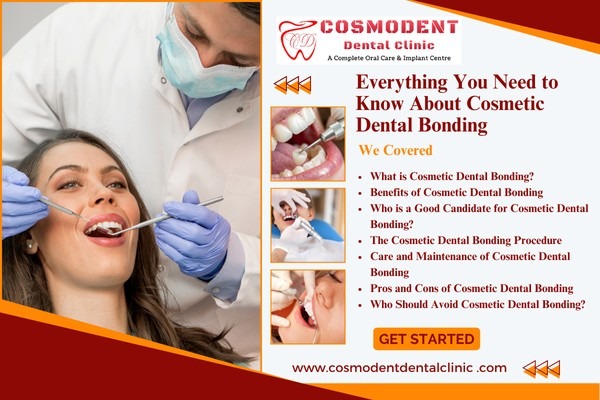
A beautiful smile can boost your confidence, enhance your appearance, and even improve your social and professional life. However, not everyone is naturally blessed with perfectly shaped or aligned teeth. Fortunately, modern dentistry offers a variety of solutions to address minor dental imperfections. One of the most effective, minimally invasive, and affordable treatments is cosmetic dental bonding. In this comprehensive guide, we will explore everything you need to know about cosmetic dental bonding, including its benefits, procedure, cost, and aftercare.
What is Cosmetic Dental Bonding?
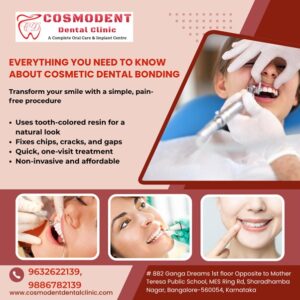
Cosmetic dental bonding is a procedure in which a tooth-colored resin material is applied to teeth to correct imperfections such as chips, cracks, gaps, discoloration, and misshapen teeth. The resin is carefully sculpted and bonded to the tooth using a special light that hardens it. The result is a natural-looking, durable enhancement to your smile. This procedure is called “bonding” because the resin chemically bonds to the tooth surface, creating a strong, long-lasting result.
Cosmetic dental bonding is considered a conservative treatment because it usually requires minimal removal of the natural tooth structure compared to alternatives like veneers or crowns. The procedure is painless, can often be completed in a single visit, and is suitable for patients of various ages.
Benefits of Cosmetic Dental Bonding
Cosmetic dental bonding offers numerous advantages that make it a popular choice for people seeking minor dental corrections. Some of the key benefits include:
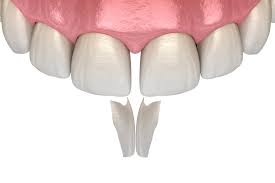
- Aesthetic Improvement: One of the primary reasons patients opt for cosmetic dental bonding is to enhance the appearance of their teeth. Bonding can effectively conceal imperfections, restore symmetry, and create a natural, bright smile.
- Minimally Invasive: Unlike dental crowns or veneers, cosmetic dental bonding usually requires little to no removal of the natural tooth enamel, making it a conservative option that preserves your tooth structure.
- Quick and Convenient: The bonding procedure is relatively fast. Many cases can be completed in a single dental visit, making it ideal for patients with busy schedules.
- Cost-Effective: Cosmetic dental bonding is typically more affordable than other cosmetic treatments such as porcelain veneers or crowns, making it accessible to a wider range of patients.
- Versatile: Bonding can address multiple dental issues, including chipped or cracked teeth, gaps between teeth, discoloration, and minor misalignments.
Who is a Good Candidate for Cosmetic Dental Bonding?
Most people seeking minor cosmetic improvements are candidates for cosmetic dental bonding. However, it may not be suitable for patients with severe dental issues, such as extensive decay, weakened teeth, or advanced periodontal disease. A consultation with a qualified dentist is essential to determine whether bonding is the right solution for your specific needs.
Ideal candidates for cosmetic dental bonding include:
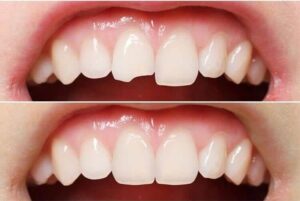
- Individuals with chipped or cracked teeth.
- Patients with gaps or spaces between teeth.
- Those who have minor tooth discoloration or staining.
- People with slightly misshapen or uneven teeth.
- Patients looking for a quick and cost-effective cosmetic solution.
The Cosmetic Dental Bonding Procedure
The cosmetic dental bonding procedure is straightforward, painless, and typically completed in one dental visit. Here’s a step-by-step breakdown of what you can expect:
- Initial Consultation: Your dentist will examine your teeth, discuss your goals, and determine if bonding is suitable for you. X-rays may be taken if necessary.
- Tooth Preparation: Unlike veneers, cosmetic dental bonding usually requires minimal tooth preparation. The dentist will lightly roughen the surface of the tooth to help the resin adhere better. Sometimes a conditioning liquid is applied to further enhance bonding.
- Application of Resin: The dentist applies the tooth-colored resin to the prepared area. The resin is carefully sculpted and shaped to match the natural contours of your tooth.
- Curing the Resin: A special ultraviolet or LED light is used to harden the resin, ensuring it bonds securely to the tooth.
- Finishing Touches: Once hardened, the dentist will trim, shape, and polish the resin to achieve a smooth, natural finish that blends seamlessly with your surrounding teeth.
The entire process typically takes 30 minutes to an hour per tooth, depending on the complexity of the treatment.
Care and Maintenance of Cosmetic Dental Bonding
Although cosmetic dental bonding is durable, it is not as strong as natural enamel. Proper care is essential to maintain its appearance and longevity. Here are some tips for caring for bonded teeth:
- Good Oral Hygiene: Brush twice daily and floss regularly to prevent staining and decay around the bonded area.
- Avoid Hard Foods: Avoid biting hard objects such as ice, hard candies, or pens, as bonding material can chip or break.
- Limit Staining Foods and Drinks: Coffee, tea, red wine, and tobacco can stain bonding resin over time. Rinse your mouth or brush soon after consuming these substances.
- Regular Dental Checkups: Visit your dentist for routine checkups and professional cleanings. Your dentist can polish and repair bonding material if needed.
- Address Bruxism: If you grind or clench your teeth, consider wearing a night guard to protect the bonding material from damage.
With proper care, cosmetic dental bonding can last anywhere from 3 to 10 years, depending on the location of the bonding, the patient’s oral habits, and the materials used.
Pros and Cons of Cosmetic Dental Bonding
Pros:
- Quick and painless procedure
- Minimal enamel removal
- Affordable compared to veneers or crowns
- Can correct a variety of dental imperfections
- Natural-looking results
Cons:
- Less durable than veneers or crowns
- Can stain over time
- May chip or break if not cared for properly
- Requires occasional maintenance or replacement
Who Should Avoid Cosmetic Dental Bonding?
While cosmetic dental bonding is suitable for most people, it may not be ideal for everyone. Patients with the following conditions should consult their dentist for alternative treatments:
- Severe tooth decay or extensive dental damage
- Bite alignment issues or heavy grinding habits
- Large gaps or significant misalignments
- Allergies to resin materials (rare)
In such cases, veneers, crowns, or orthodontic treatments may provide better long-term results.
Final Thoughts
Cosmetic dental bonding is a versatile, affordable, and minimally invasive solution for enhancing the appearance of your smile. It can correct a range of dental imperfections, from chips and cracks to gaps and discoloration. With proper care and regular dental visits, bonding can provide years of aesthetic improvement and boost your confidence.
If you are considering a cosmetic dental treatment, consult Cosmodent dental clinic a qualified dentist to determine whether cosmetic dental bonding is the right option for you. With the right care, you can enjoy a flawless, natural-looking smile that makes a lasting impression.