A chipped tooth can happen in a split second. Whether it’s from biting down on something hard, a sports injury, or an unexpected accident, the result is often the same—pain, discomfort, and worry about your smile. The good news? A chipped tooth is one of the most common dental issues, and modern dentistry offers multiple quick and safe solutions to restore your tooth and confidence.
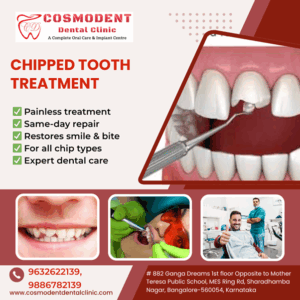
In this blog, we’ll walk you through what to do when you chip a tooth, what treatment options are available, and how a skilled dentist can fix it with minimal discomfort and lasting results.
What Is a Chipped Tooth?
A chipped tooth refers to a small piece of the tooth breaking off, typically from the edge or corner. It can affect any tooth, but front teeth are most often involved due to their position and exposure. The damage may be superficial or extend deeper into the enamel or dentin, potentially exposing the sensitive inner layer.
While some chips may be painless, others can lead to sensitivity, sharp edges that cut the tongue or cheek, or even more serious issues if left untreated.
Common Causes of a Chipped Tooth
Understanding the cause helps in both treatment and prevention. Some of the most frequent reasons for chipped teeth include:
- Biting down on hard foods like ice, candy, or bones
- Teeth grinding (bruxism) during sleep or stress
- Injury or trauma from accidents or sports
- Tooth decay that weakens the enamel
- Using teeth as tools to open packaging or crack nuts
No matter the cause, prompt dental care is essential to prevent complications and restore function.
First Aid for a Chipped Tooth
If you’ve just chipped a tooth, here’s what to do before seeing your dentist:
- Rinse your mouth with warm water to clean the area.
- Apply pressure with gauze if there’s bleeding.
- Use a cold compress on the outside of your cheek to reduce swelling.
- Cover the sharp edge with dental wax or sugarless chewing gum to protect your tongue or inner lip.
- Avoid chewing on the affected side.
- Save the broken piece, if possible, and bring it with you.
Then, call your dentist as soon as possible. Early treatment is key to minimizing discomfort and achieving the best outcome.

How Dentists Fix a Chipped Tooth: Treatment Options
The right treatment depends on the size, location, and severity of the chip. Here’s a look at the most common ways we fix chipped teeth—quickly and safely:
-
Dental Bonding – Perfect for Small Chips
Best for: Minor chips, especially on front teeth
Pain level: None or minimal; often no anesthesia needed
In this procedure, a tooth-colored composite resin is applied to the damaged area, shaped to match your natural tooth, and hardened with a special curing light. The result? A seamless repair that looks and feels like your natural tooth.
Pros:
- Quick and painless
- Cost-effective
- Looks natural
Cons:
- May not last as long as crowns or veneers
- Can chip again with hard use
-
Dental Veneers – Ideal for Front Tooth Chips
Best for: Larger or more noticeable chips on front teeth
Pain level: Minimal; usually done under local anesthesia
Veneers are thin porcelain shells that cover the front surface of a tooth. They’re custom-made to match your smile and are bonded securely for a natural look.
Pros:
- Very aesthetic
- Durable and stain-resistant
- Ideal for smile makeovers
Cons:
- More expensive than bonding
- Involves slight removal of natural tooth enamel
-
Dental Crowns – Best for Large Chips or Weak Teeth
Best for: Large chips, cracked teeth, or teeth with significant decay
Pain level: Mild to moderate; local anesthesia used
Crowns, also called caps, are used when a chip is too large for bonding or veneer alone. They cover the entire tooth to restore strength, function, and appearance. Crowns can be made from porcelain, ceramic, or metal depending on the tooth and your preferences.
Pros:
- Strong and long-lasting
- Protects the entire tooth
- Great for molars or root canal-treated teeth
Cons:
- More invasive
- Higher cost
-
Root Canal Therapy + Crown – For Deep Chips Involving the Nerve
Best for: Chips exposing the pulp or causing infection/pain
Pain level: Local anesthesia; some soreness after
If a chip is deep enough to reach the nerve or pulp, a root canal treatment may be needed to remove the infected tissue before placing a crown. While the idea of a root canal may sound intimidating, modern techniques make it virtually pain-free.
Pros:
- Saves the natural tooth
- Relieves pain and infection
- Long-lasting solution
Cons:
- More extensive procedure
- Higher cost and time commitment
-
Tooth Reattachment (If Fragment Is Available)
Best for: Recent chips with preserved fragments
Pain level: Minimal
If you saved the chipped piece and it’s in good condition, your dentist might be able to reattach it using dental adhesive and bonding techniques.
Pros:
- Preserves natural tooth material
- Quick and conservative
Cons:
- Not always possible
- May not last as long as other options
Is It Safe to Fix a Chipped Tooth?
Absolutely. Dental procedures for chipped teeth are routine, safe, and highly effective when done by a trained dentist. Modern materials and techniques ensure minimal discomfort, quick recovery, and natural-looking results. If you’re anxious about treatment, your dentist can discuss options like local anesthesia or even sedation dentistry to keep you comfortable.
Can You Leave a Chipped Tooth Untreated?
It’s never a good idea to ignore a chipped tooth, even if it doesn’t hurt. Left untreated, a chip can:
- Worsen over time due to biting pressure
- Lead to sensitivity or pain
- Become a breeding ground for bacteria, increasing the risk of decay
- Cause injury to the tongue or cheeks
- Result in cosmetic concerns
Early treatment ensures the damage doesn’t spread and helps you avoid more complex procedures later.
How to Prevent Chipped Teeth
Once your tooth is fixed, you’ll want to keep it safe. Here are some helpful prevention tips:
- Avoid chewing ice, hard candy, and other tough foods.
- Wear a mouthguard if you play contact sports.
- Consider a nightguard if you grind your teeth at night.
- Don’t use your teeth as tools to open packages or bottles.
- Keep up with regular dental check-ups to catch early signs of wear or decay.
Final Thoughts: Your Smile Is in Good Hands
A chipped tooth may come as a surprise, but fixing it doesn’t have to be stressful. With advanced dental care, a skilled team, and the right treatment, you can restore your smile quickly, safely, and beautifully.
Whether it’s a minor chip or a more serious crack, we’re here to help. Our experienced dentists use modern techniques and gentle care to ensure you’re comfortable every step of the way. So, if you’ve chipped a tooth, don’t wait—book your appointment today and let us bring back your confident smile.